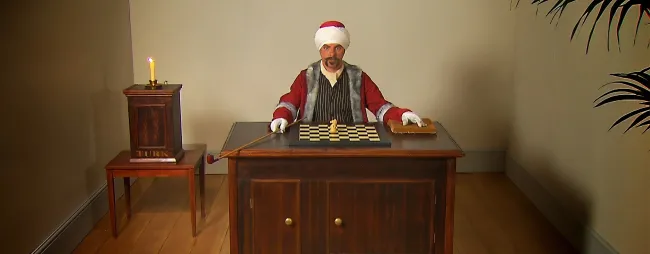
The Cultural Heart of Boca Raton
Hours
Wed - Fri - Sat - Sun: 11:00 am - 6:00 pm
Thu: 11:00 am - 8:00 pm
Mon - Tue: Closed
The Boca Raton Museum of Art encompasses a creative campus that includes the Museum in Mizner Park and the Art School. The Museum has provided seven decades of cultural and artistic service to the community and to many visitors from around the world.
Members: FREE
Adults: $16.00
Seniors (ages 65+): $12.00
Groups: $10.00
High School Students (under 18): FREE
Children (under 15): FREE
Ask about enrolling in our College Partner Program to receive FREE adult General Admission
Adults: $16.00
Seniors (ages 65+): $12.00
Groups: $10.00
High School Students (under 18): FREE
Children (under 15): FREE
Ask about enrolling in our College Partner Program to receive FREE adult General Admission
Upcoming Exhibitions

RPBW Renzo Piano Building Workshop: Le Fil Rouge
-

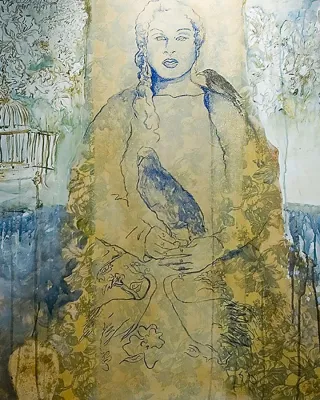
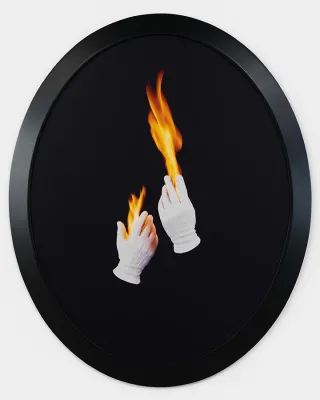
Myths, Secrets, Lies, and Truths: Photography from the Doug McCraw Collection
-
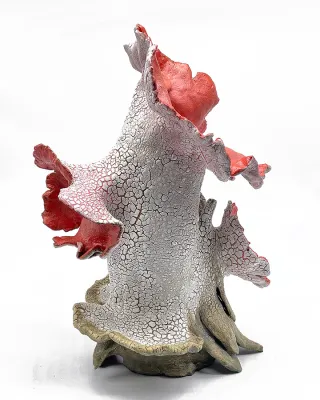
Julie Evans: Eating Sunshine
-
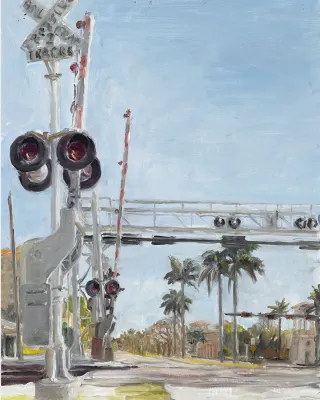
Félix de la Concha
-
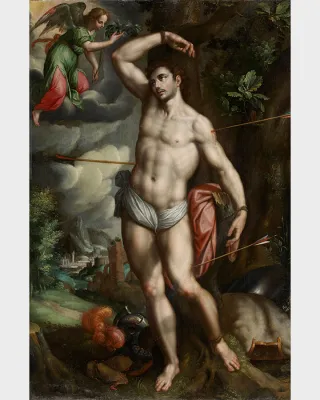
Masterpieces of Splendor & Passion: Baroque Spain & its Empire
-
Upcoming Events
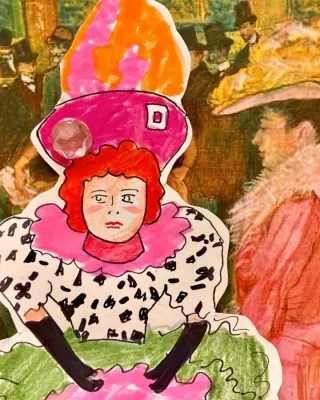
Art Tales
Workshop
Public Event
-

Gallery Talk: Royalty and Religion in the Ancient Americas
Lecture
Public Event
-

Yoga Under the Stars
Social
Public Event
-
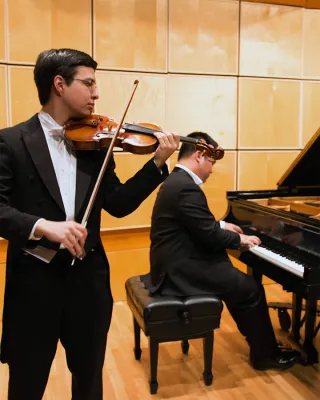
Music in the Museum - Winner of Lynn University’s John Oliveira String Competition
Performance
Public Event
-
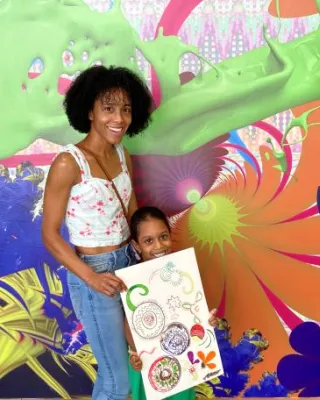
Saturday Morning Art (smART)
Workshop
Public Event
-
Recent News
Wed, Feb 21 2024 - Press Release:
BOCA RATON, FL – The Boca Raton Museum of Art presents the 11th annual BIJOUX! Contemporary Jewelry Exhibition and Sale…
Mon, Jan 22 2024 - Press Release:
FOR IMMEDIATE RELEASE
Boca Raton Museum of Art Announces Retirement of Executive Director Irvin Lippman
BOCA RATON,…
Tue, Dec 26 2023 - In the News: Boca Magazine
Even for those of us, like myself, who didn’t live through the Apollo 11 moon landing, there’s something familiar and…
Tue, Dec 19 2023 - In the News: Bella Media
This premier event offers a profound exploration of the contemporary challenges posed by disinformation, conspiracy…
Sat, Dec 9 2023 - In the News: The Art Newspaper
As Miami Art Week winds down, the Boca Raton Museum of Art is keeping the magic going with an enchanted offering: Smoke…
Tue, Dec 5 2023 - In the News: artdaily
As South Florida's museums present their highly anticipated offerings for Art Basel Season, the Boca Raton Museum…